

The First 10 Years: The Most Powerful Investment in Your Child's Future
When parents think about their child's future, they often picture college admissions, career success, or financial independence. Yet, the foundation for all these milestones is built much earlier—during the first decade of formal schooling.
From the first day of kindergarten through upper primary school, children are not only learning to read, write, and solve mathematical problems. They are learning how to think, how to communicate, how to solve problems, how to build relationships, and how to understand themselves.
These formative years establish the habits, values, and mindset that influence lifelong success.
Educational research consistently shows that a child's early learning experiences have a lasting impact on academic achievement, emotional well-being, and future career readiness. A supportive and stimulating school environment plays a crucial role in shaping these outcomes.
What Happens Inside a Child's Brain During the First 10 Years?
A child's brain is incredibly dynamic. During the early years, billions of neural connections are formed as children interact with their environment, teachers, peers, and learning experiences.
Every conversation, story, science experiment, group activity, and classroom discussion strengthens these connections.
The more meaningful and engaging the experiences, the stronger the brain's learning networks become.
This is why the quality of a school's environment matters just as much as the curriculum it follows.
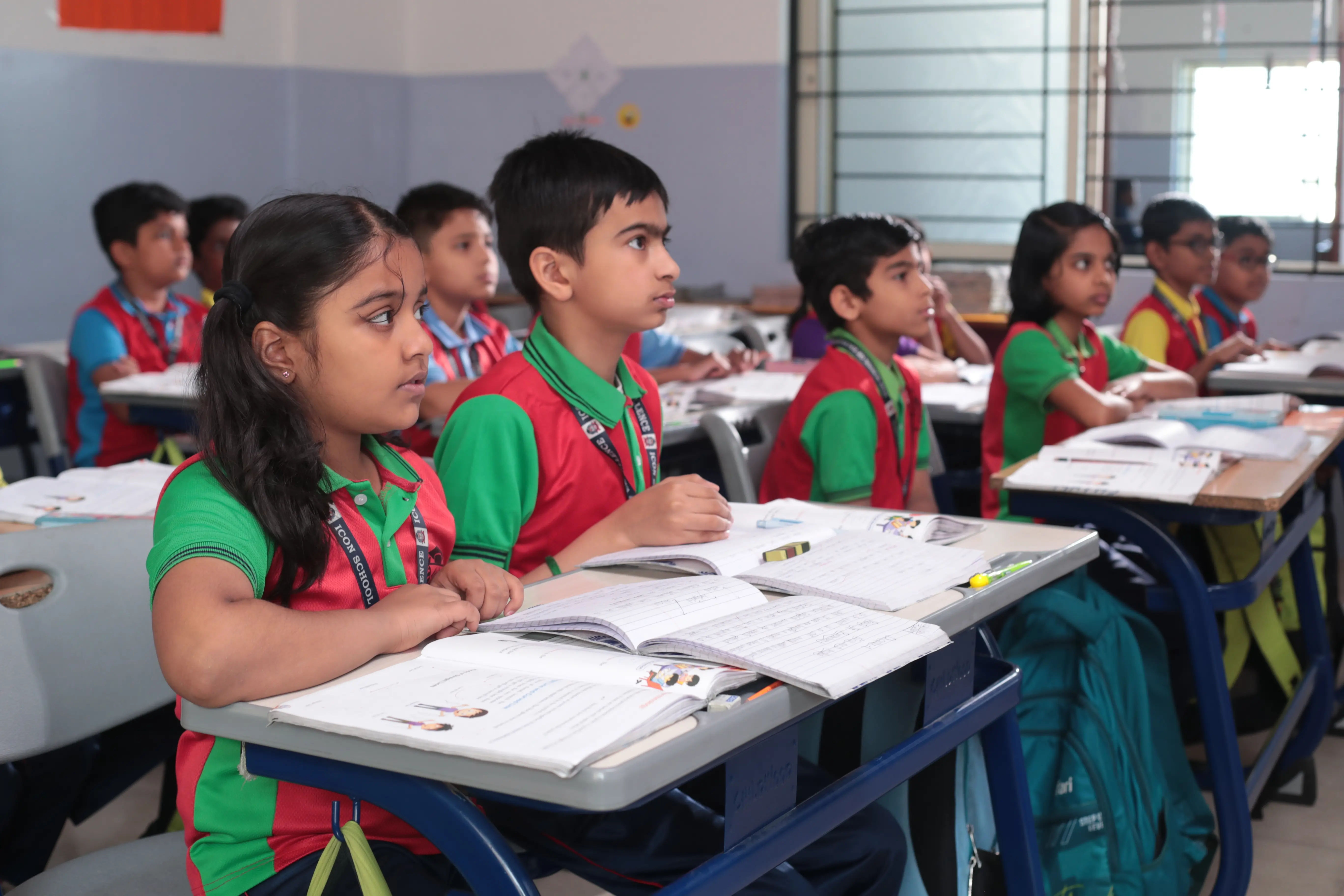
Building the Foundation
During preschool and early primary years, children rapidly develop:
- Language and communication skills
- Curiosity and imagination
- Basic numeracy and literacy
- Emotional regulation
- Social interaction
- Confidence in exploring new ideas
This stage is about helping children feel safe, supported, and excited to learn.
Schools that emphasize exploration, play-based learning, storytelling, music, movement, and hands-on activities create positive learning experiences that encourage children to enjoy school.
Developing Thinking Skills
As children grow, their brains become increasingly capable of:
- Logical reasoning
- Pattern recognition
- Independent learning
- Creative thinking
- Decision-making
- Collaboration
- Problem-solving
This is the stage where children begin asking deeper questions:
"Why does this happen?"
"Can I solve it differently?"
"What if we try another way?"
Schools that encourage inquiry rather than memorization help children develop critical thinking and confidence.
Why the Learning Environment Is More Important Than Many Parents Realize
Many parents compare schools based on:
While these factors matter, they don't tell the whole story.
The true differentiator is the daily learning environment.
Does the school encourage curiosity?
Are teachers approachable and supportive?
Is every child given individual attention?
Do students enjoy coming to school?
Are mistakes treated as learning opportunities?
Does the school celebrate creativity alongside academic achievement?
These questions reveal whether a school is building lifelong learners or simply preparing students for exams.
The Difference Between Teaching for Exams and Teaching for Life
Today's world values individuals who can think critically, communicate effectively, adapt to change, and work with diverse teams. Schools must therefore prepare students not only for examinations but also for the complexities of modern life.
Common Mistakes Parents Make When Choosing a School
Choosing a school is an emotional decision, and it's easy to be influenced by factors that don't necessarily reflect the quality of education.
Choosing a School Based Only on Academic Results
High examination scores are important, but they don't always indicate whether students are developing creativity, confidence, leadership, or emotional intelligence.
Prioritizing Infrastructure Over Teaching Quality
Modern classrooms and impressive facilities are valuable, but great teachers remain the most important factor in a child's learning journey.
Ignoring the School's Educational Philosophy
Every school has a unique approach to education. Parents should understand whether the school's values align with their aspirations for their child.
Overlooking Student Well-being
Children thrive in environments where they feel safe, respected, and emotionally supported.
Focusing Only on the Present
Parents often ask: "Will my child get good marks?"
A more important question is: "Will this school prepare my child for the next 20 years?"

What Makes a School Truly Future-Ready?
A future-ready school prepares children not only for academic achievement but also for a rapidly changing world.
These experiences help children become confident, compassionate, and capable individuals.
How ICON School of Excellence Nurtures Future-Ready Learners
At ICON School of Excellence, education is designed to go beyond textbooks. Our learning philosophy focuses on creating an environment where children are encouraged to ask questions, think independently, collaborate with peers, and develop the confidence to explore new ideas.
Students benefit from:
- An engaging ICSE curriculum
- Experienced educators
- Technology-enabled classrooms
- STEAM-integrated learning
- Co-curricular and extracurricular opportunities
- Personalized attention
- Character-building initiatives
- A culture that values curiosity, empathy, and lifelong learning
This approach helps students build a strong academic foundation while also developing the skills and values they will need throughout their lives.
Before choosing a school, ask yourself:
- Does this school inspire curiosity?
- Will my child feel valued and supported here?
- Are teachers focused on understanding rather than memorization?
- Does the school encourage creativity and collaboration?
- Will my child develop confidence alongside academic knowledge?
- Does the learning environment prepare students for an uncertain future?
The answers to these questions often reveal more about a school's quality than rankings or brochures alone.
Creating Role Models